


Of course! Here is a detailed introduction to some of Japan's most famous tourist spots, written in English. I've included a mix of historical, cultural, and natural attractions to give a well-rounded overview.

Introduction to Japan's Top Tourist Attractions
Japan is a captivating country where ancient traditions seamlessly blend with cutting-edge technology. From serene temples and imperial gardens to vibrant cityscapes and breathtaking natural landscapes, there's something for every type of traveler. Here are some of the must-visit destinations.
Tokyo: The Neon Metropolis
A Glimpse into the Future, Rooted in Tradition
As the bustling capital of Japan, Tokyo is a sprawling metropolis that offers an exhilarating contrast. You can find yourself marveling at the futuristic skyscrapers of Shibuya and Shinjuku one moment, and then be transported to a world of tranquility in a centuries-old temple the next.
-
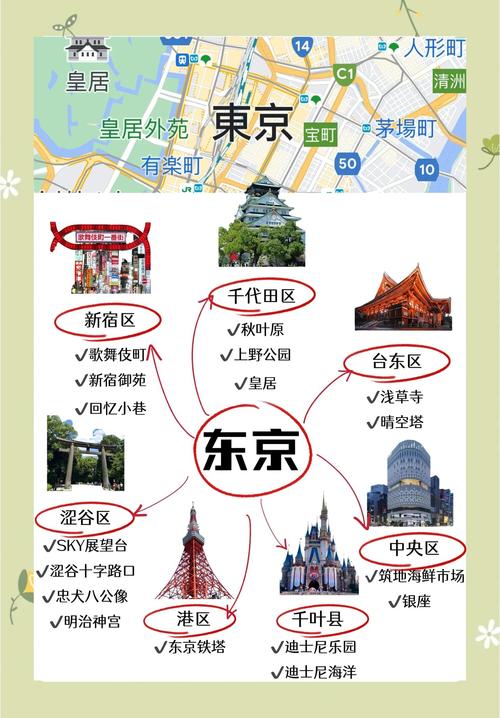
Key Attractions:
 (图片来源网络,侵删)
- Senso-ji Temple (Asakusa): Tokyo's oldest temple, famous for its massive red lantern (Kaminarimon) leading to a bustling shopping street, Nakamise-dori.
- Shibuya Crossing: The world's busiest pedestrian crossing, an iconic symbol of Tokyo's energy. Don't miss the statue of Hachiko, the loyal dog.
- Meiji Shrine (Harajuku): A peaceful oasis dedicated to Emperor Meiji and Empress Shoken, located in the heart of the trendy Harajuku district.
- Tokyo Skytree: The world's second-tallest structure, offering panoramic views of the vast city.
- Tsukiji Outer Market: A paradise for food lovers, where you can sample the freshest sushi, sashimi, and other Japanese delicacies.
-
Why Visit? To experience the pulse of modern Japan, from world-class cuisine and pop culture to advanced technology and endless entertainment.
Kyoto: The Heart of Old Japan
A Living Museum of Japanese Culture and History
Kyoto was Japan's capital for over a thousand years, and it remains the country's cultural soul. With over 1,600 Buddhist temples, 400 Shinto shrines, and numerous gardens, Kyoto is a step back in time.
-
Key Attractions:
 (图片来源网络,侵删)
- Fushimi Inari Shrine: Famous for its thousands of vibrant red torii gates that wind up a mountainside. It's a magical hike, especially early in the morning.
- Kinkaku-ji (The Golden Pavilion): A stunning Zen temple covered in gold leaf, reflecting beautifully in the surrounding pond.
- Arashiyama Bamboo Grove: A mesmerizing bamboo forest that creates a serene and almost otherworldly atmosphere. The nearby Togetsukyo Bridge is also a popular spot.
- Kiyomizu-dera Temple: A historic temple perched on a hillside, offering spectacular views of the city. The phrase "to jump from the stage of Kiyomizu" has become a common Japanese expression for taking a bold leap of faith.
- Gion District: Kyoto's famous geisha district. While spotting a geiko (Kyoto term for geisha) is rare, the historic wooden machiya (townhouses) and traditional atmosphere are captivating.
-
Why Visit? To immerse yourself in traditional Japanese culture, from tea ceremonies and geishas to exquisite gardens and imperial architecture.
Mount Fuji: Japan's Sacred Peak
An Iconic Symbol of Natural Beauty
Mount Fuji (Fuji-san), standing at 3,776 meters (12,389 feet), is Japan's highest and most sacred mountain. It is an active stratovolcano and a UNESCO World Heritage site. While climbing is a popular challenge, the mountain is also revered for its breathtaking views.
-
Key Attractions:
- The "Fuji Five Lakes (Fujigoko)": A region of five beautiful lakes (Yamanaka, Kawaguchi, Sai, Shoji, and Motosu) on the mountain's northern foothills, offering the best views and various recreational activities.
- Hakone: A popular hot spring resort town within the Fuji Five Lakes area. Visitors can enjoy traditional ryokan (inns), onsen (hot springs), and the spectacular view of Mt. Fuji from Lake Ashi, often accompanied by a pirate ship cruise.
- Climbing Season (July-August): For the adventurous, the official climbing season offers a chance to reach the summit for a sunrise view (Goraiko).
-
Why Visit? To witness Japan's most iconic natural landmark, a source of artistic inspiration and spiritual reverence for centuries.
Osaka: Japan's Kitchen
A Bustling Hub of Food and Fun
Known as "Japan's Kitchen," Osaka is famous for its vibrant food culture, outgoing locals, and modern attractions. It's a city that loves to eat, drink, and be merry.
-
Key Attractions:
- Osaka Castle: A magnificent reconstruction of a 16th-century castle that played a crucial role in Japanese history. The surrounding Osaka Castle Park is a popular spot for cherry blossoms in spring.
- Dotonbori: The vibrant heart of Osaka's nightlife and dining. This canal-side district is filled with neon lights, giant animated billboards (like the Glico Running Man), and endless street food stalls.
- Universal Studios Japan (USJ): One of the most popular theme parks in the world, famous for its Wizarding World of Harry Potter and Super Nintendo World.
- Shinsaibashi Shopping Arcade: A long, covered shopping street perfect for retail therapy, from high-end brands to quirky souvenirs.
-
Why Visit? For an unforgettable culinary adventure, energetic atmosphere, and world-class entertainment.
Hiroshima: A City of Peace and Resilience
A Powerful Memorial to a Tragic Past
Hiroshima is a city that tells a profound story of resilience and peace. While it is forever linked to the atomic bombing of 1945, it has been rebuilt into a beautiful and modern city dedicated to promoting world peace.
-
Key Attractions:
- Peace Memorial Park: A moving and beautifully designed park dedicated to the victims of the atomic bomb. It features the Peace Memorial Museum, the A-Bomb Dome (the ruins of the former Industrial Promotion Hall, left as a symbol), and the Children's Peace Monument.
- Miyajima Island: A short ferry ride from Hiroshima, this sacred island is known for its "floating" Itsukushima Shrine and its giant red torii gate that appears to be floating on the water during high tide. The island is also home to friendly wild deer.
-
Why Visit? To pay respects at a significant historical site and to witness the incredible spirit of recovery and hope. The combination of Hiroshima's solemn history and the beauty of Miyajima makes for a deeply moving trip.
Nara: Japan's First Permanent Capital
Where History Meets Friendly Deer
As Japan's first permanent capital, Nara is filled with some of the country's oldest and most important temples. It is also famous for its large population of freely roaming deer, considered to be messengers of the gods.
-
Key Attractions:
- Todai-ji Temple: Home to the Daibutsu, a massive 15-meter-tall bronze statue of Buddha. The temple's main hall is one of the largest wooden buildings in the world.
- Nara Park: A large park where hundreds of deer roam freely. You can buy special "deer crackers" to feed them, but be prepared as they can be quite persistent!
- Kasuga Taisha: A historic Shinto shrine famous for its hundreds of bronze and stone lanterns that line its paths.
- Kofuku-ji Temple: A temple complex that was once the powerful family temple of the Fujiwara clan, featuring a five-story pagoda.
-
Why Visit? To experience the quiet grandeur of ancient Japan and interact with the beloved symbols of Nara.
Conclusion
These are just a few of the incredible destinations Japan has to offer. From the snow-capped peaks of Hokkaido to the tropical beaches of Okinawa, and the spiritual trails of Shikoku to the art islands of Naoshima, Japan is a country that promises a lifetime of discovery. Whether you're seeking cultural immersion, natural wonders, or modern excitement, Japan will leave a lasting impression.